
Eating fish is healthy for the heart. Fish oil supplements are probably a waste of money.
Read article here: Is it Time to Give up on Fish Oil?
Eating fish is healthy for the heart. Fish oil supplements are probably a waste of money.
Read article here: Is it Time to Give up on Fish Oil?
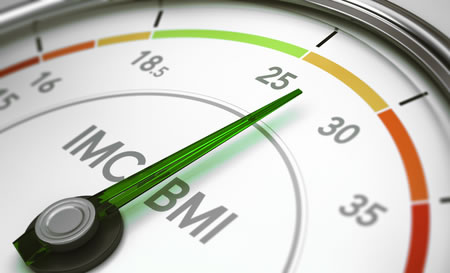 According to the Heart, Lung, and Blood Institute, Body Mass Index, or BMI, is a useful measure of overweight and obesity. It is calculated from your height and weight. BMI is an estimate of body fat and a good gauge of your risk for diseases that can occur with more body fat. The higher your BMI, the higher your risk for certain diseases such as heart disease, high blood pressure, type 2 diabetes, gallstones, breathing problems, and certain cancers.
Although BMI can be used for most men and women, it does have some limits:
A study published in the American Journal of Hypertension suggests that eating yogurt on a regular basis could reduce hypertension, also known as high blood pressure.
 Participants who ate more than two servings of yogurt per week were shown to have a 20% less chance of developing heart disease or having strokes in future. Additionally, women were also 30% less likely to have a heart attack.
The study also found that an increase in yogurt consumption along with a DASH (Dietary Approaches to Stop Hypertension) diet resulted in the lowest risk of developing heart disease.
If you want to increase yogurt in your diet, you may want to avoid those with too much added sugar. Sugars can contribute to health problems, including obesity, cardiovascular disease, and type 2 diabetes. Try plain yogurt instead and add your own flavorings. You can mix in fresh, canned, or frozen fruits without added sugar.
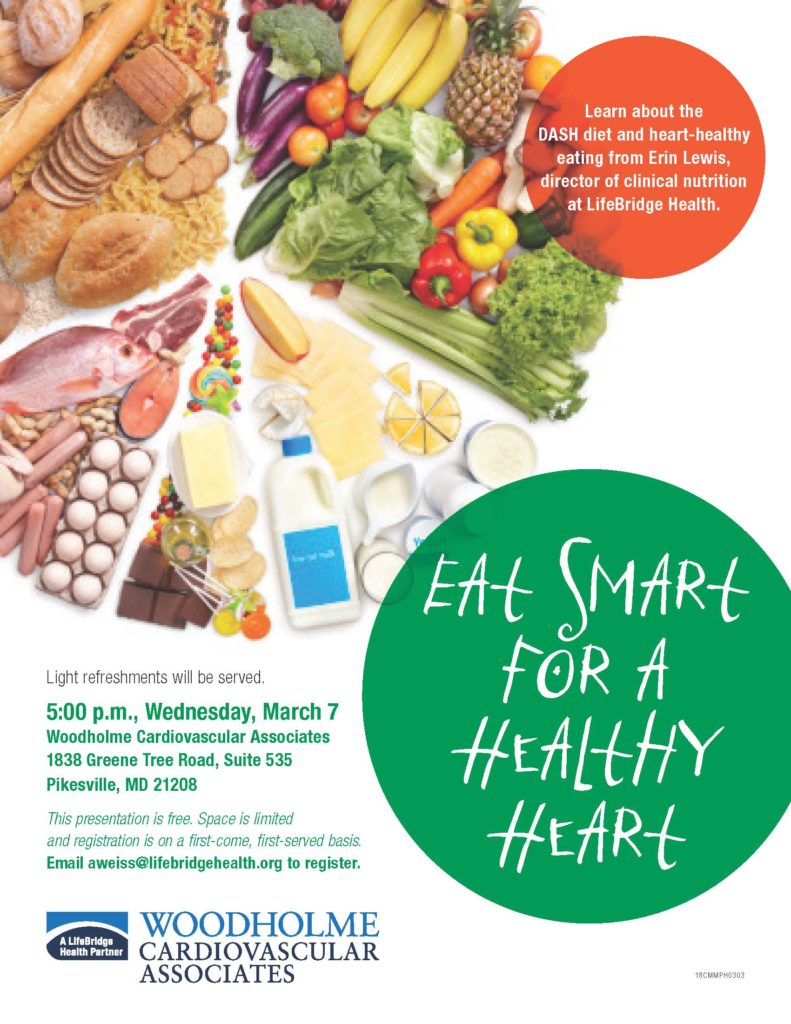
If you would like to learn more about the DASH diet and heart-healthy eating, join us for a FREE DASH diet presentation this Wednesday, March 7th, at 5:00 pm. Location is at Woodholme Cardiovascular Associates, 1838 Greene Tree Rd. Suite 535. Pikesville, MD 21208.
Please join us for a FREE presentation this Wednesday, March 7th, at 5:00 pm. Location is at Woodholme Cardiovascular Associates, 1838 Greene Tree Rd. Suite 535. Pikesville, MD 21208.
Learn about the DASH diet and heart-healthy eating from Erin Lewis, Director of Clinical Nutrition at LifeBridge Health. Light refreshments will be served.
To register, please email Ari Weiss at aweiss@lifebridgehealth.org.
A new report being presented at the American College of Cardiology’s 67th Annual Scientific Session suggest that listening to music while working out can help boost energy and increase the amount of time you spend exercising.
 Waseem Shami, MD, a cardiology fellow at Texas Tech University Health Sciences in El Paso, Texas, and the study’s lead author found that patients scheduled for a routine electrocardiogram (ECG) treadmill stress test were able to run significantly longer while listening to music.
Typically a healthy person will last about seven or eight minutes. As the treadmill speed and incline increases, it becomes particularly challenging to continue. The study found that patients who listened to music during the stress test were able to last a full fifty seconds more on average. This could also have implications for an individual’s daily exercise routine.
Inactivity is a leading cause of obesity and heart disease. Whatever your activity, adding music to your workout could provide the motivation to exercise longer and stick to your fitness plan.
Other studies have shown that developing a workout playlist can distract you from the monotony and fatigue of exercise. It can also provide an exercise “tempo” that helps you maintain a steady pace and make better use of your body’s energy.

Have a question? Reach out.
If you have any questions or concerns you can fill out our contact form, or call us at 410-469-4000.